 Back to Wildlife & Safari
Ruaha National Park
Overview & Highlights
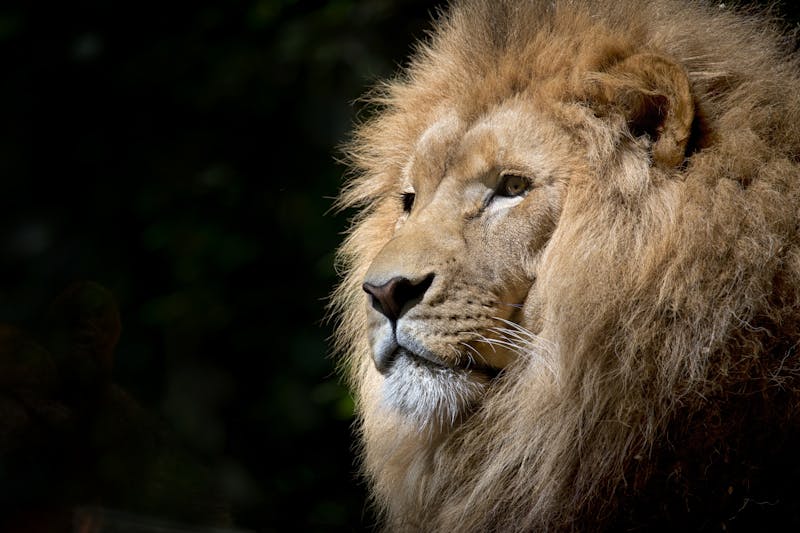
Ruaha National Park is Tanzania's largest national park and a hidden gem. It offers remote wilderness with huge elephant populations, wild dogs, and exceptional predator sightings without the crowds. Located in the Southern Circuit, Ruaha features a unique intersection of East African acacia savanna and Southern African miombo woodland, creating rich biodiversity.
What We Love
- Remote, authentic, and untamed safari feel with zero crowds
- Huge elephant and lion populations
- Excellent place to see rare African wild dogs
- Beautiful landscape with baobabs and Great Ruaha River
- High biodiversity of antelopes (sable, roan, kudu)
Keep in Mind
- Hard and expensive to access (requires domestic flight)
- Daytime temperatures in the valley get very hot
- No rhinos present
Wildlife & Birds
Wildlife Highlights
- Massive lion prides (often 20+) known for hunting giraffes
- One of the largest elephant populations in East Africa
- Excellent sightings of rare wild dogs and greater kudu antelopes
Animal Abundance Index(scraped from safaribookings.com)
Lion
CommonLeopard
CommonCheetah
OccasionalElephant
AbundantBlack Rhino
NoneWhite Rhino
NoneBuffalo
CommonZebra
CommonWildebeest
RareHippo
CommonGiraffe
CommonSpotted Hyena
CommonAfrican Wild Dog
OccasionalBird Watching
450+ SpeciesRuaha is an exceptional birding sanctuary with over 450 species. Its transitional ecosystem attracts species from both southern African miombo woodland and East African savannah.
Best Time & Climate
The dry season (June to October) is the absolute best time for game viewing as animals crowd around the shrinking Great Ruaha River. Many lodges close during the peak wet season (March to May).
☀️ Dry Season
June to October: Water is scarce, making wildlife viewing around riverbeds spectacular. Days are hot and clear.
🌧️ Wet Season
November to May: Landscape turns green and lush. Birding is excellent, but some roads become impassable.
Monthly Visitor Guide
Ruaha is hotter and drier than northern parks. Daytime temperatures reach 32°C/90°F in October/November.
Climate Chart (Temperature & Rainfall)
Getting There
Due to its remote southern location, flying is the most practical way to reach Ruaha. Driving from Dar takes about 10 hours.
Driving Routes Matrix
| Route From | Distance (km) | Est. Time | Road Condition |
|---|---|---|---|
| Dar es Salaam | 620 km | 10 hrs | Rough dirt road past Mikumi |
| Iringa | 120 km | 2 hrs | Dirt road |
✈️ Air Travel & Local Airstrips
Daily scheduled flights fly from Dar es Salaam or Arusha to airstrips inside the park.
Safety, Malaria & Guidelines
Operational Advisory
Always obey local safety parameters, environmental codes of conduct, and instructions from park rangers or guides.
Ruaha is a remote wilderness. Never walk unescorted at night in camps. Carry sufficient fuel and water if self-driving. Listen to your guides and rangers at all times.
🦟 Malaria & Health Advisory
Malaria is present in most wildlife reserves in Tanzania. It is strongly recommended to consult a travel clinic for antimalarial prescription. Use mosquito repellent containing DEET and wear light-colored, long-sleeved clothes in the evening.
TripAdvisor Traveler Reviews
Traveler feedback:
1. 'A truly wild place. We saw three separate prides of lions and a pack of wild dogs in two days. Almost no other vehicles.' (Rating: 5/5, Date: May 2026)
2. 'Stunning landscape with river beds, massive baobabs, and herds of kudus. The walking safari was a highlight.' (Rating: 5/5, Date: April 2026)
3. 'Requires a domestic flight but is worth every penny if you want authentic Africa without crowds.' (Rating: 5/5, Date: March 2026).
Configure Adventure
Add this attraction to your trip dashboard. Once added, you can customize your overall budget.
Find Stays Near Attraction
Get real-time availability and discount rates for lodges near Iringa via the LiteAPI hotels engine.